


GNIT Africa Teaches Students for Internet of Things
April 15, 2026
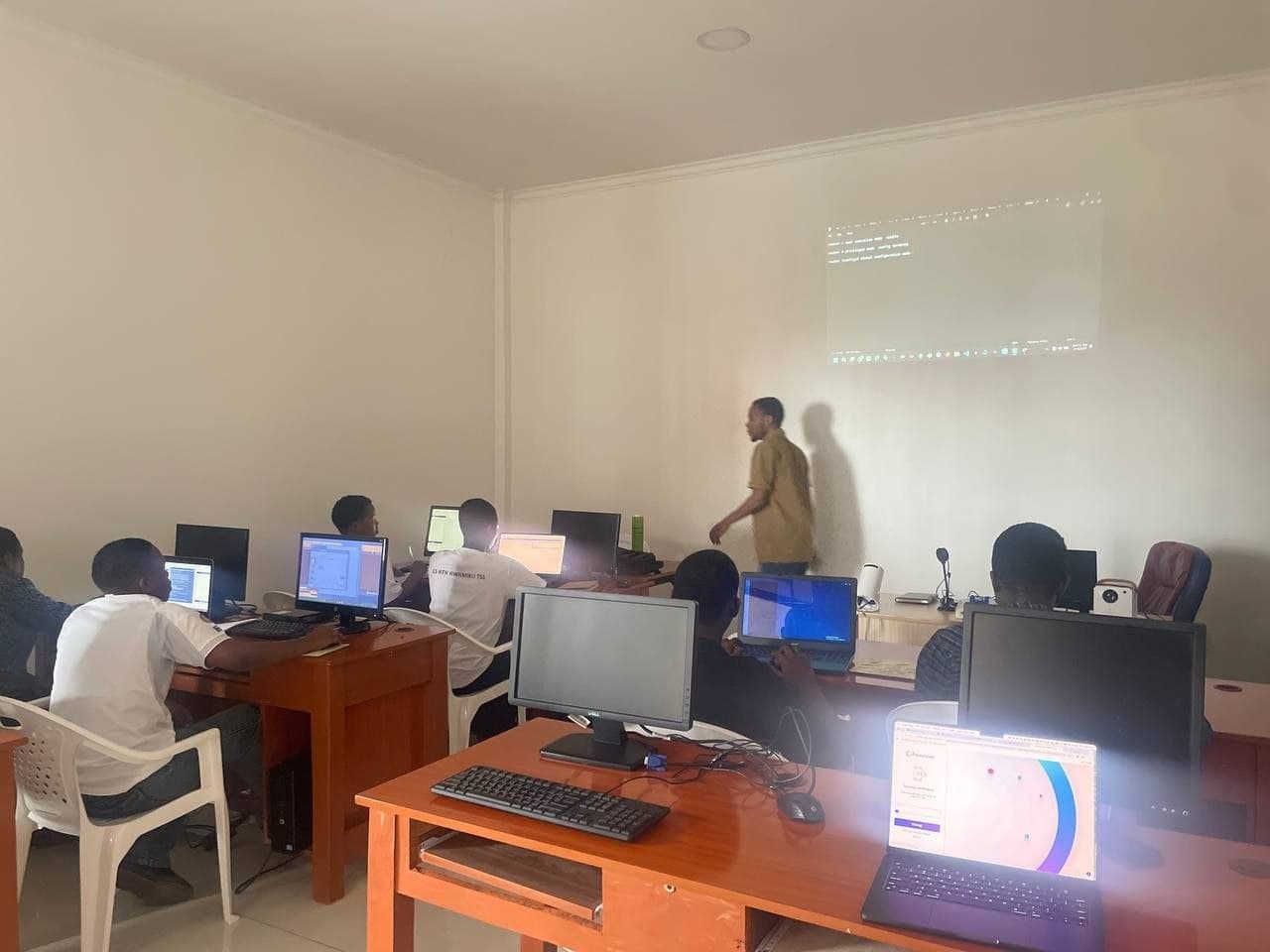
In the earlier eras of the digital age, the internet was primarily a medium for connecting computers and facilitating data exchange between humans. Today, we are witnessing an evolutionary leap known as the Internet of Things (IoT), a paradigm that imbues physical objects with intelligence. IoT is not merely about connecting devices to a wireless network; it represents a sophisticated technological ecosystem where objects autonomously collect, exchange, and analyze data through sensors and communication protocols to deliver optimized value to users. From the smartwatches on our wrists and autonomous vehicles on our roads to smart factories maximizing industrial efficiency, IoT is already driving a profound transformation in the fabric of modern life.
The architecture of this technology rests on three fundamental pillars: Sensing, Connectivity, and Intelligence. High-precision sensors embedded in objects monitor environmental variables such as temperature, humidity, location, and vibration in real-time. This raw data is then transmitted via high-speed networks—such as 5G, Wi-Fi, or LPWAN—to cloud platforms. Subsequently, Artificial Intelligence (AI) processes this vast influx of information to make informed decisions and trigger actions. For instance, a smart thermostat may activate heating without human intervention when it detects a drop in ambient temperature, or an agricultural system might trigger irrigation only when soil moisture levels hit a specific threshold. This mechanism enables “autonomous optimization,” minimizing human error while maximizing systemic efficiency.
Understanding why the mastery of IoT has become essential requires looking at the fundamental restructuring of global industries. We are currently in the midst of an accelerated Digital Transformation where IoT serves as the backbone for almost every sector. In manufacturing, logistics, energy management, and healthcare, the ability to understand and operate IoT systems has transitioned from a specialized skill to a core competency for survival. Gaining insight into everything from hardware configurations to the software-driven flow of data provides the necessary toolkit to innovate new business models or solve complex bottlenecks in existing infrastructures.
Furthermore, learning IoT expands the dimensions of one’s problem-solving capabilities. Beyond individual technical knowledge, it fosters “systems thinking”—the ability to visualize and manage an entire ecosystem where multiple devices interact seamlessly. This includes the capacity to design secure network architectures against cyber threats and the analytical prowess to turn “noisy” big data into actionable intelligence. These are the hallmarks of the high-level multidisciplinary talent required by modern society. Moreover, IoT offers technical solutions to pressing global challenges, such as optimizing energy consumption to combat climate change or providing remote monitoring services for aging populations.
Ultimately, studying IoT is not about learning how to use new gadgets; it is about understanding the logic of a world connected by data and gaining the agency to lead that change. As technology evolves from a mere tool for convenience into an intelligent infrastructure, a deep comprehension of IoT is perhaps the most reliable investment for securing future competitiveness. In an age where objects have begun to communicate with one another, only those who understand the language of this dialogue will be able to transform the infinite possibilities of technology into tangible opportunities.
GNIT Africa Teaches · originally published on gnit.org.
More from the network
GNIT Africa
GNIT Africa Sows Seeds of Faith and Knowledge
Recently, GNIT Africa has improved its curriculum to make on-site training more dynamic and engaging for students.
Read moreGNIT South America
Strategic Digital Evangelism Initiative
A new initiative dedicated to empowering our fellowships by strengthening their evangelistic outreach through strategic social media campaigns.
Read more